

Short answer
Bridesmaids date back to ancient Rome, where they dressed like the bride to confuse evil spirits. In Victorian Britain, bridesmaids wore similar dresses to the bride for the same reason. Today they are friends or family who support the couple.
The tradition of bridesmaids goes back thousands of years. In ancient Rome, bridesmaids wore the same clothes as the bride. The idea was that evil spirits or jealous rivals would not know which woman was the bride, so they could not harm her. The bridesmaids acted as decoys.
In medieval England, bridesmaids helped with the practical side of the wedding. They would carry the bride's train, help with her dress, and sometimes help her escape if the groom's family tried to kidnap her. That sounds odd today, but weddings were often more about property than love.
In Victorian Britain, bridesmaids wore dresses similar to the bride's, often in pastel colours. They were usually young unmarried women from the couple's families. Their role was to attend the bride, hold her bouquet, and witness the ceremony. The number of bridesmaids was often matched to the number of ushers.
Today, bridesmaids are usually close friends or sisters. They help with planning, attend the hen do, and stand with the couple during the ceremony. They do not need to wear matching dresses, and there is no legal requirement to have any bridesmaids at all. The role is about support, not superstition.
From us
Website packages · Wedding print Wedding websiteWedding Website£99 one-offYour full wedding website with RSVP for every event, meal choices and a private link for each household.See Wedding Website →
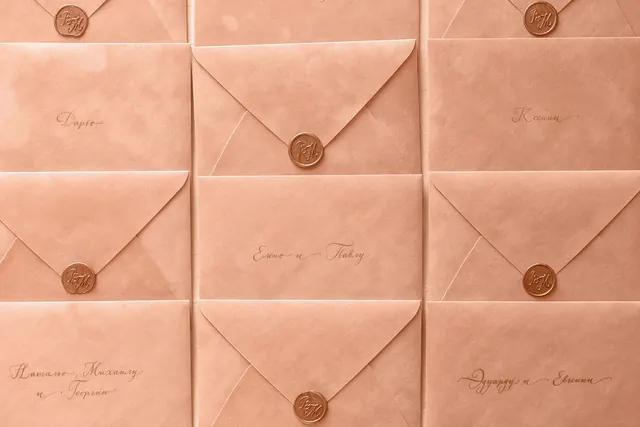 Wedding printPrinted wedding invitationsfrom £36.28Printed invitations and save the dates on quality card, with a QR code that opens your wedding website.Design it online →
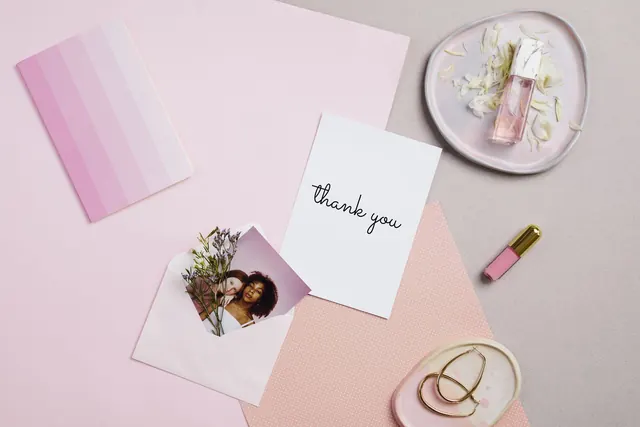 Wedding printThank-you cardsfrom £42.34Folded thank-you cards with your favourite photo from the day on the front.Design it online →
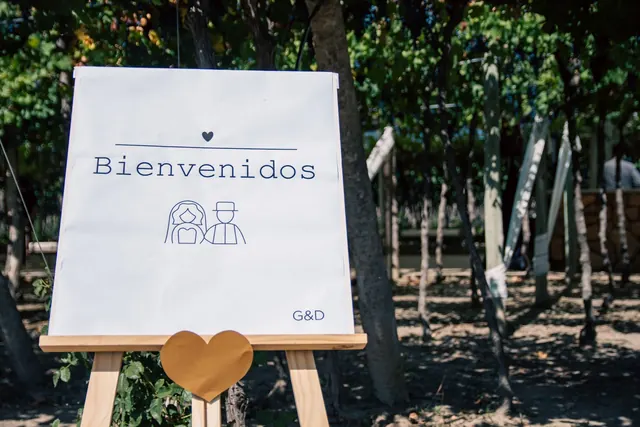 Wedding printWedding welcome signsfrom £20.38Rigid welcome boards for the entrance or an easel, printed with your names and date.Design it online →
Answers from couples and guests
No answers from readers yet. Been through this yourself? Share what worked for you.
Add your answer
Related questions
- How many bridesmaids is traditional?
- Can men be bridesmaids?
- Is 9 bridesmaids a lot?
- What is a good amount of bridesmaids?
- What do brides usually pay for bridesmaids?
- Is 10 bridesmaids too much?
From other topics
 Save the date cards
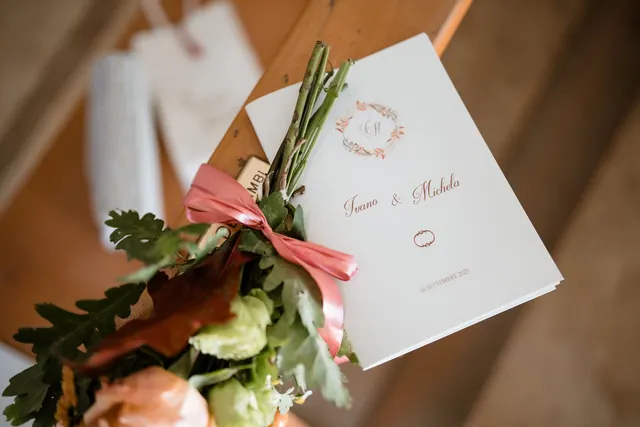 Order of service booklets
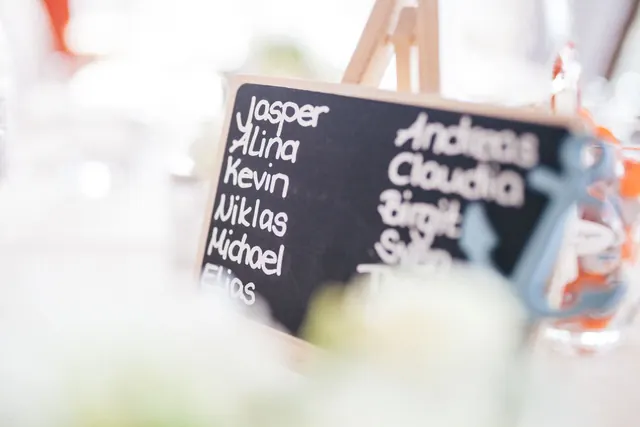 Table plan boards