

What does plus-one mean at a wedding?
A plus-one is an extra guest you invite for a specific person, allowing them to bring someone else to the wedding. This could be a partner, a friend, or a family member. The invitation will usually say 'and guest' or name the person directly. As a guest, if you receive a plus-one, you should use it for someone you care about, not just anyone to fill a seat. If you are unsure whether you have a plus-one, check the envelope or the invitation wording. It should be clear whether it is for you alone or for you and a guest.
Who should always get a plus-one?
Some guests should always be offered a plus-one, without question. These include:
- Married, engaged, or civil partnered guests. Their spouse, fiancé, or partner should be named on the invitation.
- Guests in long-term, cohabiting, or serious relationships, even if they are not married. If they live together, they are a social unit.
- Members of the bridal party, such as bridesmaids and groomsmen. They will be spending a lot of time with you and may appreciate having their partner or a friend with them.
- Close family members, such as siblings or adult children, especially if they are in a relationship. If they are single, you can still offer a plus-one if you wish, but it is not required.
From us
Website packages · Wedding print Wedding websiteWedding Website£99 one-offYour full wedding website with RSVP for every event, meal choices and a private link for each household.See Wedding Website →
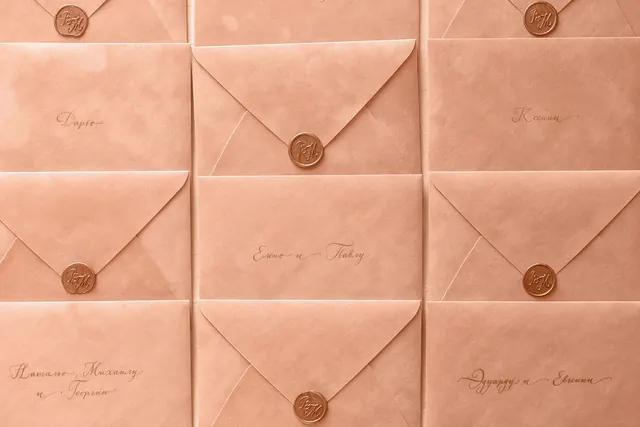 Wedding printPrinted wedding invitationsfrom £36.28Printed invitations and save the dates on quality card, with a QR code that opens your wedding website.Design it online →
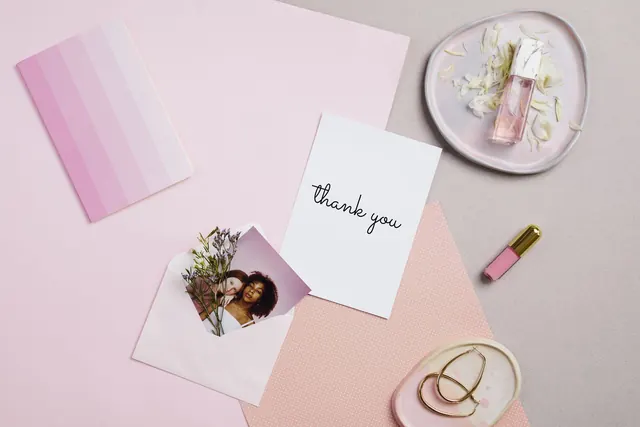 Wedding printThank-you cardsfrom £42.34Folded thank-you cards with your favourite photo from the day on the front.Design it online →
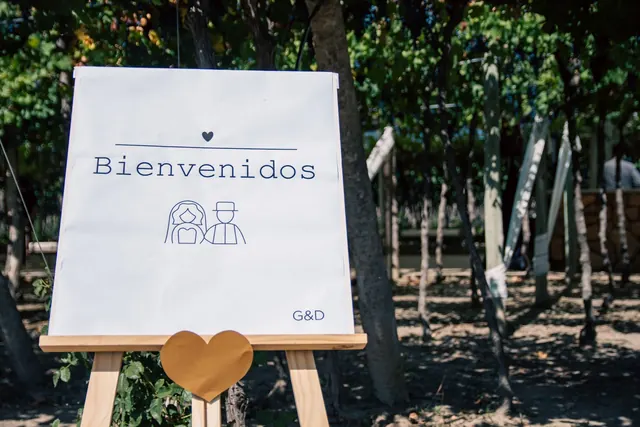 Wedding printWedding welcome signsfrom £20.38Rigid welcome boards for the entrance or an easel, printed with your names and date.Design it online →
How to decide for single guests and new relationships
For single guests, the decision depends on your budget and venue capacity. A common approach is to give plus-ones to guests who will not know many other people at the wedding. If a guest is travelling alone from far away or will be the only person they know, a plus-one can make them feel more comfortable. For guests in new relationships, you can use your judgement. If the relationship is serious and likely to last, include them. If it is very new, you might wait and see. A kind way is to offer a plus-one if you have space, but you are not obliged to. Remember, you can always say no if you need to keep numbers down, but be consistent and fair. If you give a plus-one to one single friend, consider giving it to all single friends in similar situations.
How to handle colleagues and work friends
Colleagues and work friends can be tricky. The general rule is that if you socialise with a colleague outside work, they are a friend and should be treated like any other friend. If they are only a work acquaintance, you might not invite them at all. If you do invite a colleague, you do not have to give them a plus-one unless they are in a serious relationship. If you invite several colleagues from the same team, they can sit together and may not need plus-ones. If you invite just one colleague who will not know many people, consider offering a plus-one to help them feel at ease. Be mindful of office politics, but remember it is your wedding and you can choose who to invite.
How to say no plus-ones on your wedding website
When you need to limit plus-ones, the best approach is to be clear and polite. On your wedding website, you can write a short note under the RSVP section. For example: 'We are excited to celebrate with you. Due to venue capacity, we are only able to accommodate the guests named on your invitation. Thank you for understanding.' This is honest and avoids confusion. You can also address the envelope to the specific guest, which makes it clear who is invited. If someone asks directly, you can say: 'We are keeping the guest list small to make sure we can celebrate with everyone we love. We hope you understand.' Being consistent and kind is the key.
How guests should ask about plus-ones
If you are a guest and your invitation does not mention a plus-one, it is best not to assume you have one. The invitation should be your guide. If you are unsure, it is acceptable to ask the couple, but do so politely and in private. For example, you might say: 'I was just checking my invitation, and I wanted to confirm whether I am able to bring a guest.' Do not ask on social media or in a group chat. If the couple says no, accept it gracefully. Remember, they have to make difficult decisions about their guest list. If you are in a new relationship and your partner is not invited, you can attend alone or decline if you prefer, but it is kind to let the couple know.
Practical tips for a fair plus-one policy
To make fair decisions, start by listing every guest and their relationship status. Then apply your rules consistently. For example, you might decide that all married, engaged, and cohabiting guests get a plus-one, and all bridal party members get a plus-one. For single guests, you might offer plus-ones to those who would otherwise be alone. You can also use your venue capacity and budget as a guide. If you are struggling, talk to your partner and your families. Remember, there is no legal requirement about plus-ones, so it is your choice. The most important thing is to be clear and kind in your communication. Guests will appreciate honesty over confusion.
Checklist
- List every guest and note their relationship status.
- Decide on your plus-one rules and write them down.
- Give plus-ones to married, engaged, and cohabiting guests.
- Offer plus-ones to bridal party members.
- Consider plus-ones for single guests who would not know many people.
- Be consistent with colleagues and work friends.
- Clearly state your plus-one policy on your wedding website.
- Address invitations to the specific invited guests.
- Politely respond to any plus-one questions from guests.
- Review your guest list against your venue capacity.
Questions on this topic
How to act as a plus one at a wedding?
Be a warm, low-maintenance guest who supports the person who invited you. Follow the dress code, join in politely, and let your host lead the socialising. Read the full answer
How to word plus one question on a wedding website?
Ask clearly and kindly, with a simple yes or no option, and explain that you have limited space so you can only include named guests. Read the full answer
How do I say +1 on a wedding invite?
Name your guest explicitly on the envelope and inner card, or write 'and guest' if you are happy for them to bring anyone. Do not rely on the word +1. Read the full answer
What does a +1 mean for a wedding?
A +1 means your invitation allows you to bring one extra guest of your choice. It is not automatic and should only be used if your invitation says so. Read the full answer
How do you say "bring a plus one"?
You would normally say 'plus one' or 'guest'. Phrases like 'you are welcome to bring a partner' or 'a guest is welcome' are the clearest options. Read the full answer
Is it rude to not give a plus-one for a wedding?
No, it is not rude. Couples are allowed to set their own guest list and budget, and many do not offer plus-ones to everyone. Read the full answer

 Save the date cards
 Order of service booklets
 Table plan boards