

Short answer
Wedding cakes are white because the colour symbolises purity, innocence and new beginnings. The tradition became popular in the Victorian era, when white icing was a sign of wealth and status.
The white wedding cake has a long history in Britain. The colour white has long been associated with weddings, and the cake followed the bride's white dress. In the Victorian era, white icing was difficult to make because it required refined sugar, which was expensive. So a white cake showed that the family could afford the best ingredients, and it became a status symbol.
Queen Victoria's wedding cake in 1840 was white and heavily decorated, and this helped make the white cake fashionable. Before that, cakes were often darker, made with dried fruit and spices. The white icing also allowed for elaborate decoration, with sugar flowers, piping and intricate designs.
Today, white is still popular because it looks clean, elegant and classic. It matches most wedding colour schemes and photographs well. But you do not have to have a white cake. Many couples now choose coloured icing, naked cakes with fresh fruit, or designs that reflect their personality. The meaning of the cake is about celebration, not the colour.
If you want a traditional white cake but with a twist, you can add coloured flowers, metallic leaf or a patterned design. The choice is yours, and your cake should make you happy.
People also search
- why are wedding cakes white
From us
Website packages · Wedding print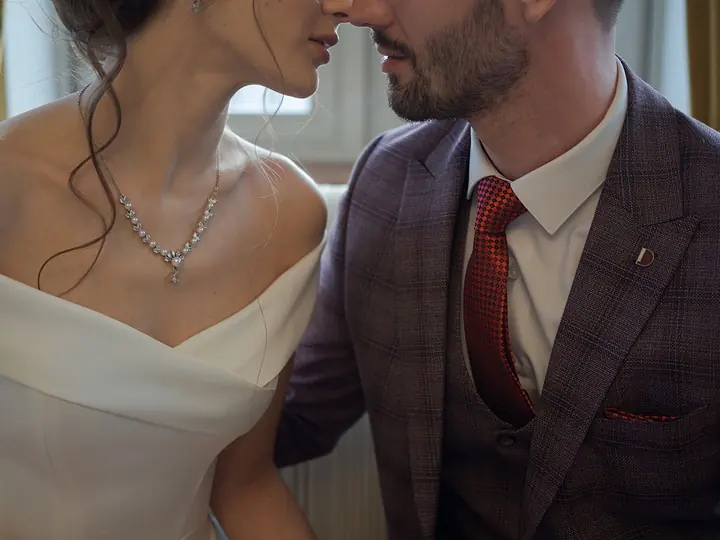 Wedding websiteWedding Website£99 one-offYour full wedding website with RSVP for every event, meal choices and a private link for each household.See Wedding Website →
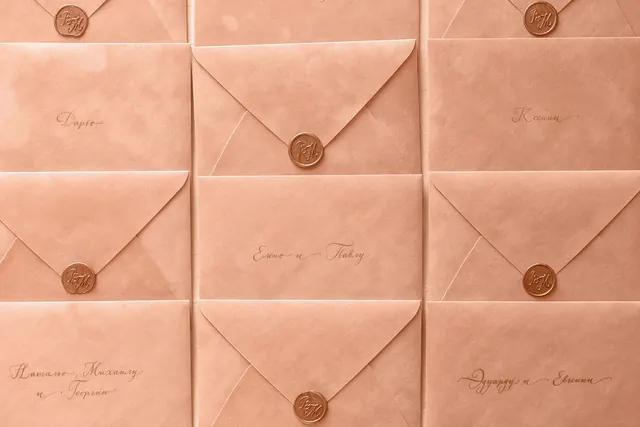 Wedding printPrinted wedding invitationsfrom £36.28Printed invitations and save the dates on quality card, with a QR code that opens your wedding website.Design it online →
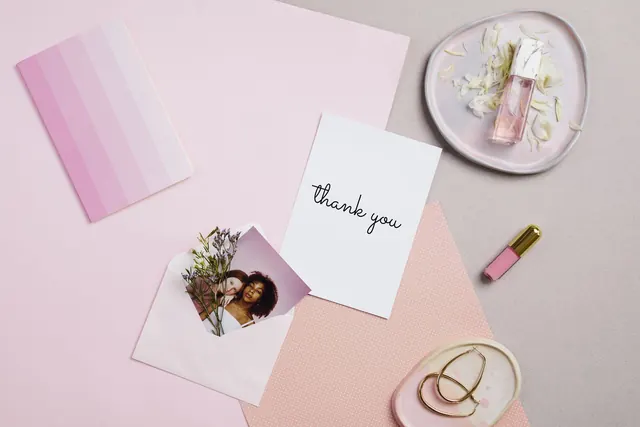 Wedding printThank-you cardsfrom £42.34Folded thank-you cards with your favourite photo from the day on the front.Design it online →
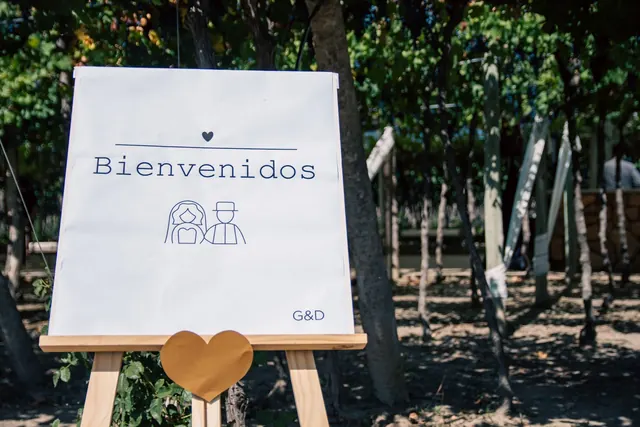 Wedding printWedding welcome signsfrom £20.38Rigid welcome boards for the entrance or an easel, printed with your names and date.Design it online →
Answers from couples and guests
No answers from readers yet. Been through this yourself? Share what worked for you.
Add your answer
Related questions
- Why do you have a wedding cake?
- What is a classic wedding cake?
- Who traditionally pays for the wedding cake?
- How do I cut a round wedding cake?
- What is the most popular wedding cake?
- How long can a wedding cake be out?
From other topics
 Save the date cards
 Order of service booklets
 Table plan boards