

What is the cheapest way to feed 100 people at a wedding?
The cheapest way to feed a large group is to serve a buffet or a help-yourself spread rather than a plated sit-down meal. Buffets let you offer filling dishes like pasta, curry, chilli, or a baked potato bar, which are inexpensive to make in bulk and easy for guests to serve themselves.
Another budget-friendly option is a fork buffet, where guests eat with just a fork from a plate, so you can skip the full cutlery setting. You can also save by choosing seasonal vegetables and cheaper cuts of meat, or by going meat-free for some or all of the dishes. Lentils, beans, and chickpeas are cheap and filling.
If you have a venue with a kitchen, you could cook in bulk yourselves or ask willing family and friends to help. Just make sure you follow food safety rules and check with your venue about what is allowed.
What are some ideas for a simple wedding menu?
A simple menu can still feel special. Think about dishes that are comforting, easy to eat, and can be made ahead. Here are some ideas:
- A baked potato bar with toppings like cheese, beans, tuna, and coleslaw
- A pasta buffet with a couple of sauces and garlic bread
- A curry night with rice, naan, and poppadoms
- A taco or fajita bar with fillings and toppings
- A soup and bread lunch with a choice of two soups
- A ploughman's lunch with cheese, pickles, and crusty rolls
You can also serve a simple main course like a roast chicken or a vegetarian lasagne with a big salad and crusty bread. For dessert, a self-serve sweet table with brownies, fruit, and biscuits is easy and budget-friendly.
From us
Website packages · Wedding print Wedding websiteWedding Website£499 one-offYour full wedding website with RSVP for every event, meal choices and a private link for each household.See Wedding Website →
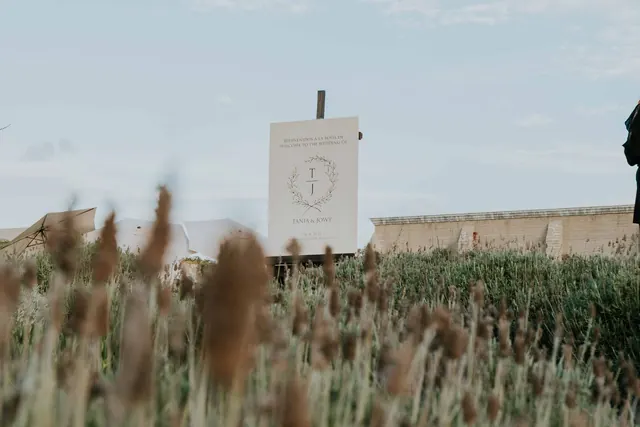 Wedding printA2 sign boardsfrom £37.18A2 boards for the order of the day, the bar menu, an unplugged ceremony sign or directions.Design it online →
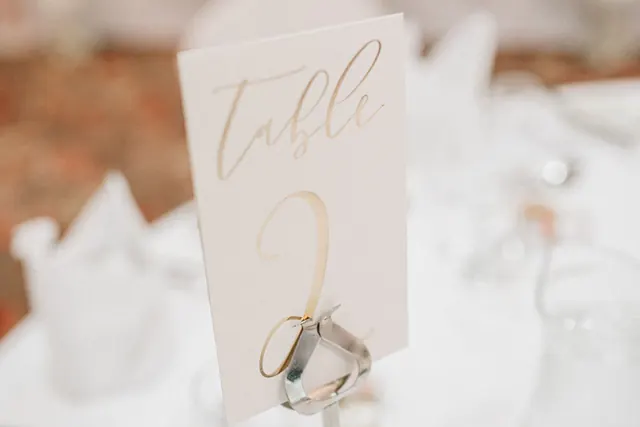 Wedding printTable numbers and place cardsfrom £14.52Folded tent cards for table numbers, table names, place cards and drink menus.Design it online →
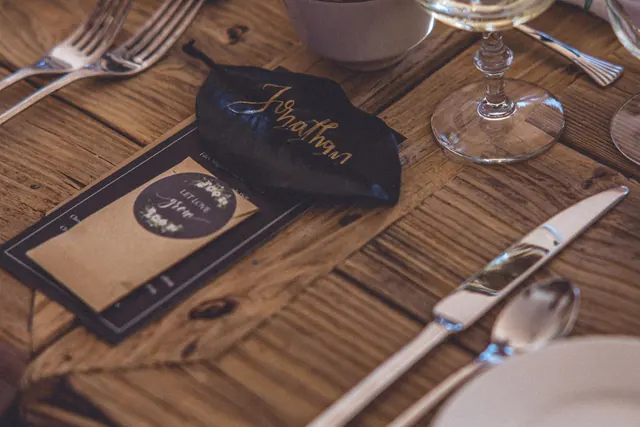 Wedding printFolded menus and programmesfrom £48.78Creased and folded cards for menus, a simple order of service or the plan for the day.Design it online →
 What are good finger foods for weddings?
Finger foods are perfect for a relaxed reception or a drinks-and-canapés style wedding. They are easy to eat while standing and can be made in large batches. Good options include:
- Mini sausage rolls and vegetarian versions
- Cheese straws and savoury scones
- Falafel balls with a dip
- Bruschetta or crostini with tomato and basil
- Mini quiches or frittatas
- Spring rolls or samosas
- Skewers of grilled vegetables, halloumi, or chicken
- Mini burgers or sliders
You can also do a grazing table with cheeses, cured meats, olives, breads, and dips. That way guests can help themselves throughout the day, and you don't need to serve a formal meal.
Is it rude to not serve dinner at a wedding?
It is not rude as long as you are clear with your guests about what to expect. If you are having a ceremony and reception later in the day, you can serve lighter fare like finger foods, a buffet, or even a cream tea. The key is to tell guests in advance so they can plan.
If your wedding is at a mealtime, like lunch or dinner, guests will expect a meal. If you choose not to serve a full dinner, make sure you offer enough substantial food, such as a hearty buffet or a selection of hot finger foods, and let people know on your invitation or wedding website.
You can also schedule your wedding between meal times, like mid-afternoon, and serve afternoon tea with sandwiches and cakes. That way guests are fed without the expectation of a full dinner.
How long to give people to eat at a wedding?
Give your guests enough time to eat without feeling rushed. For a sit-down meal, allow around 45 minutes to an hour for the main course, and another 30 to 45 minutes for dessert. For a buffet, allow at least an hour, as guests will queue and then eat.
In total, you might set aside about two hours for the whole meal, including serving and clearing. That leaves time for speeches and toasts, which often happen during or after the meal.
For finger foods or a grazing table, guests can eat over a longer period, so you don't need a set time. Just make sure there is enough food for everyone to have a good amount.
What time is a wedding breakfast served?
The wedding breakfast is the meal after the ceremony, and it can be served at any time of day. Traditionally it was a meal after a morning wedding, but now it often happens in the afternoon or early evening.
If your ceremony is in the morning, you might serve brunch or lunch. If it's in the afternoon, you might serve an early dinner. If you have an evening ceremony, you could serve supper later on.
Work backwards from your ceremony time and think about when your guests will be hungry. A good rule is to serve the main meal within two to three hours after the ceremony, so guests aren't waiting too long.
DIY options for any headcount
DIY food can save money and add a personal touch. You could ask friends and family to contribute a dish, which works well for a buffet. Just make sure you coordinate to avoid too many of the same thing.
Another idea is to have a make-your-own station, like a baked potato bar, a taco bar, or a sandwich station. Guests enjoy choosing their own toppings, and it cuts down on serving staff.
For drinks, you could set up a self-serve drinks table with jugs of water, cordial, and a simple punch. If you want alcohol, you could have a bring-your-own bar or a limited selection of wine and beer.
Remember to think about dietary needs. Label dishes that contain common allergens, and always offer vegetarian and vegan options. You can also ask guests to note dietary requirements on your RSVP.
Checklist
- Decide on a meal style that fits your budget and guest count
- Check with your venue about DIY food and buffet rules
- Plan a menu with filling, budget-friendly ingredients
- Include vegetarian, vegan, and allergy-friendly options
- Tell guests what food to expect on your invitation or website
- Arrange for enough serving dishes, cutlery, and plates
- Set a realistic timeline for serving and eating
- Consider asking friends or family to help with cooking or serving
- Label dishes with allergens and dietary info
- Have a backup plan for leftovers and food storage
Questions on this topic
- What is the most popular food to serve at a wedding?
- What are some good snacks to serve at a wedding?
- What should I eat the week before a wedding?
- What are some foods I can eat before my wedding without bloating?
- How can I debloat my stomach before my wedding?
- What is the best food to eat in the morning of my wedding?
- What to have for breakfast on a wedding morning?
- What is the cheapest way to feed 100 people at a wedding?



 Wedding invitations
 Save the date cards
 Order of service booklets
 Table plan boards
 Welcome signs
 Thank-you cards