

What to eat the week before your wedding
In the week before your wedding, keep your meals simple and regular. Your body does not like surprises, so now is not the time to try a new diet or a trendy superfood. Stick to foods you know agree with you, and eat at roughly the same times each day.
Choose meals built around lean protein, plain carbohydrates and cooked vegetables. Think grilled chicken, fish, eggs, rice, potatoes, pasta, carrots, green beans and courgettes. These are gentle on your stomach and give you steady energy without making you feel heavy.
Avoid foods that are known to cause bloating. That includes beans, lentils, broccoli, cabbage, onions and fizzy drinks. Also go easy on salty foods like crisps, ready meals, bacon and cured meats, because salt makes your body hold on to water. Cut back on takeaways and rich sauces in the last three days, even if you usually handle them fine.
What to eat for breakfast on your wedding day
On the morning of your wedding, eat a proper breakfast even if you feel nervous. An empty stomach can make you feel shaky and light-headed, and it can make bloating worse later. Aim for something plain, filling and easy to digest.
Good options include porridge with a little honey, scrambled eggs on toast, a banana with natural yoghurt, or a plain bagel with cream cheese. Keep it small if you are not hungry, but try to eat something within an hour of waking.
Do not drink a large glass of juice or a smoothie first thing, as the fruit sugars and fibre can cause bloating. Instead, have water or a mild herbal tea like peppermint or ginger. Avoid tea and coffee on an empty stomach if they usually make you feel puffy or uncomfortable.
From us
Website packages · Wedding print Wedding websiteWedding Website£499 one-offYour full wedding website with RSVP for every event, meal choices and a private link for each household.See Wedding Website →
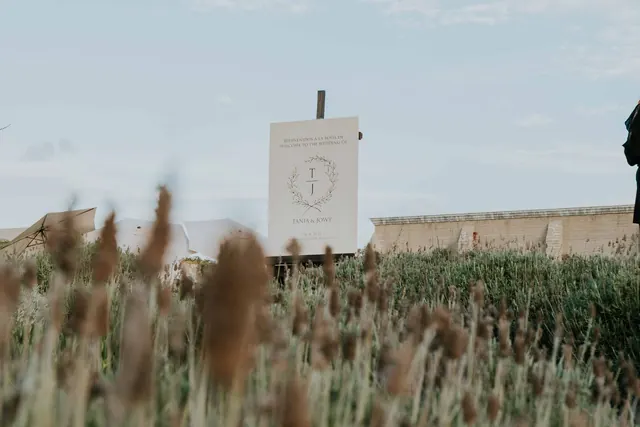 Wedding printA2 sign boardsfrom £37.18A2 boards for the order of the day, the bar menu, an unplugged ceremony sign or directions.Design it online →
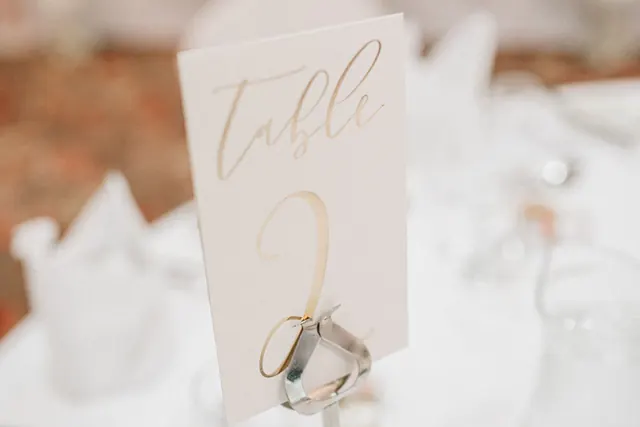 Wedding printTable numbers and place cardsfrom £14.52Folded tent cards for table numbers, table names, place cards and drink menus.Design it online →
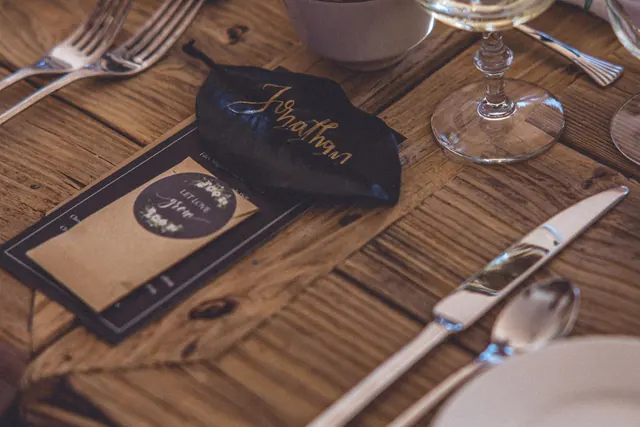 Wedding printFolded menus and programmesfrom £48.78Creased and folded cards for menus, a simple order of service or the plan for the day.Design it online →
 Foods to avoid on the day to stop bloating
On the day itself, you want foods that are low in salt, low in fibre and low in gas-producing sugars. That means skipping raw salads, cruciferous vegetables and anything with artificial sweeteners, which are common in sugar-free gum and diet drinks.
Avoid carbonated drinks, including sparkling water, because the bubbles stay in your stomach and cause bloating. Also avoid chewing gum, which makes you swallow air. If you need something sweet, have a small piece of dark chocolate or a plain biscuit.
Be careful with dairy if you are even slightly sensitive to it. A milky coffee or a cheese sandwich might be fine normally, but on a stressful day your digestion can be slower. Stick to lactose-free options or small amounts of hard cheese, which are easier to digest.
What to drink and when
Water is your best friend in the days before your wedding. Aim to sip water steadily through the day rather than drinking large glasses all at once. Carry a bottle with you and refill it often. Being well hydrated helps your body flush out excess salt and reduces puffiness.
On the morning, drink a glass of water as soon as you wake up. Then have small sips through the morning. If you are having a hairstyle or makeup trial, keep sipping water during that too, as sitting still for a long time can make you feel stiff and bloated.
Avoid alcohol the night before and on the day until after the ceremony. Alcohol dehydrates you and can make your face look puffy. If you want a toast before the ceremony, choose a small glass of water or a non-fizzy soft drink like diluted juice.
What is a wedding breakfast and when is it served
A wedding breakfast is the formal meal after the ceremony. It is called a breakfast because in the past the wedding mass or ceremony happened in the morning, and the meal was the first food of the day. These days it is usually served in the afternoon, often between 1pm and 4pm.
The wedding breakfast is not a buffet. It is a sit-down meal with courses, usually a starter, a main and a dessert. It is the main meal of the day for your guests, so it should be substantial enough that they are not hungry later.
Dinner at a wedding is the same thing as the wedding breakfast in many parts of the UK, especially if the ceremony is later in the day. If you have an evening wedding, the meal might be served at 6pm or 7pm. The name does not change, but the timing does.
How long the wedding breakfast takes and who eats first
A wedding breakfast usually takes about two hours from the moment guests sit down to the end of dessert. That includes time for speeches, which are often held between the main course and dessert. If you have many speeches or a long gap between courses, allow up to two and a half hours.
Guests should be seated and served at the same time. There is no rule that the couple eats first. In practice, the caterers serve all tables together, or they start with the top table and move around quickly. The important thing is that everyone gets their food while it is hot.
If you are having a buffet, guests usually go up in table order, starting with the top table and then the tables nearest the door. That keeps things fair and avoids a queue. For a sit-down meal, the couple and their parents are often served first, but only by a minute or two.
Simple wedding menu ideas that are gentle on digestion
If you are planning your own menu, choose dishes that are easy to eat and easy on the stomach. A simple menu does not mean boring. It means food that does not need much cutting, does not have hidden bones or shells, and does not sit heavily.
For a starter, think tomato soup with a small roll, melon and prosciutto, or a simple prawn cocktail. For a main, roast chicken with potatoes and green beans, grilled salmon with new potatoes, or a vegetarian lasagne with a side salad. For dessert, a light lemon tart, a fruit crumble, or a chocolate brownie with cream.
Finger foods for a lighter reception work well too. Mini quiches, sausage rolls, sandwiches with simple fillings, vegetable sticks with hummus, and small skewers of chicken or cheese are all easy to eat standing up. Avoid anything too spicy, too oily or with lots of raw onion. If you do not serve a full dinner, make sure you tell guests in advance so they can eat beforehand.
Checklist
- Eat plain, familiar meals for the three days before the wedding
- Avoid beans, lentils, broccoli, cabbage and onions in the final week
- Cut out salty snacks, ready meals and cured meats
- Drink water steadily through the day, not all at once
- Have a small plain breakfast on the morning, like porridge or eggs on toast
- Avoid fizzy drinks, chewing gum and artificial sweeteners on the day
- Skip alcohol the night before and until after the ceremony
- If planning the menu, choose simple dishes like roast chicken or salmon with potatoes
- Tell guests in advance if you are serving only finger food instead of a full meal
Questions on this topic
- What is the most popular food to serve at a wedding?
- What are some good snacks to serve at a wedding?
- What should I eat the week before a wedding?
- What are some foods I can eat before my wedding without bloating?
- How can I debloat my stomach before my wedding?
- What is the best food to eat in the morning of my wedding?
- What to have for breakfast on a wedding morning?
- What is the cheapest way to feed 100 people at a wedding?



 Wedding invitations
 Save the date cards
 Order of service booklets
 Table plan boards
 Welcome signs
 Thank-you cards