

Short answer
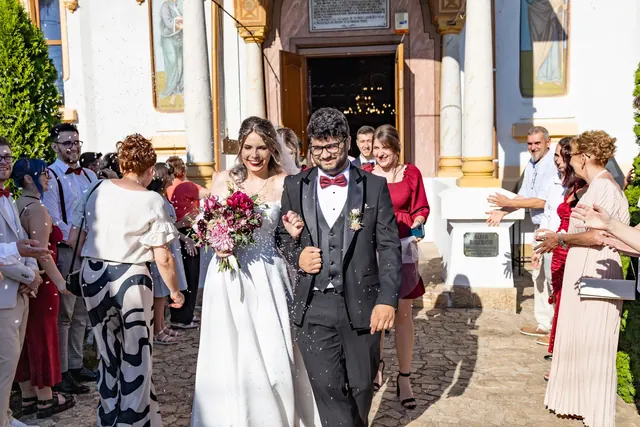
People throw rice at a wedding as a symbol of fertility, prosperity, and good luck for the newly married couple. The grains represent abundance and the hope that the couple will have a fruitful life together. It is a cheerful, celebratory send-off after the ceremony.
Throwing rice at a wedding is an old tradition with roots in many cultures. The small white grains symbolise fertility and prosperity, so showering the couple with rice is a way for guests to wish them a plentiful and happy marriage. In some places, the rice was also thought to ward off evil spirits who might try to harm the new couple.
Today, the practice is more about fun and celebration than superstition. Many couples still enjoy a traditional rice toss as they leave the ceremony or venue. However, you should check with your venue first, as some have rules about what you can throw. Uncooked rice can be slippery and may attract birds, so many venues prefer alternatives like dried flower petals, confetti made from biodegradable paper, or bubbles.
If you want a rice toss, ask your venue what they allow. You can also organise it smoothly by giving guests small bags or cones of rice as they line up outside. Just remember to keep it gentle, and aim for the couple's shoulders, not their faces. The moment makes for lovely photos and a joyful end to the ceremony.
People also search
- why throw rice at wedding
- why do we throw rice at a wedding
From us
Website packages · Wedding print Wedding websiteWedding Website£99 one-offYour full wedding website with RSVP for every event, meal choices and a private link for each household.See Wedding Website →
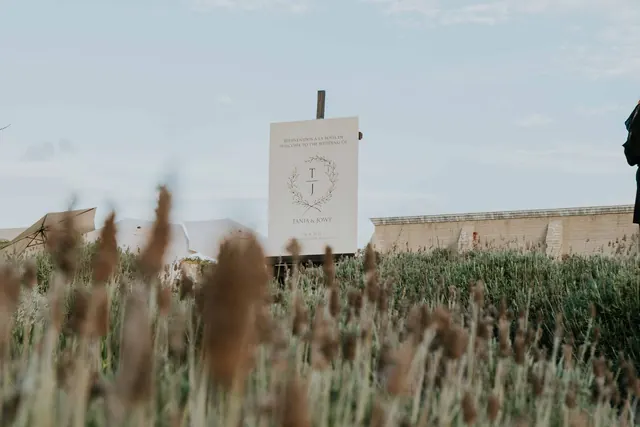 Wedding printA2 sign boardsfrom £37.18A2 boards for the order of the day, the bar menu, an unplugged ceremony sign or directions.Design it online →
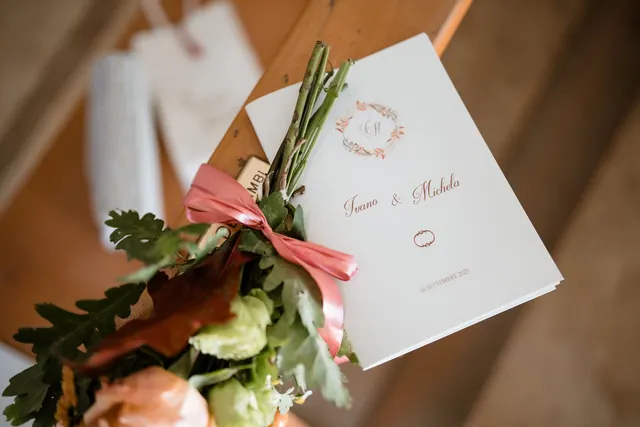 Wedding printOrder of service bookletsfrom £78.64Stapled booklets for the order of service, hymns, readings and the people in your wedding party.Design it online →
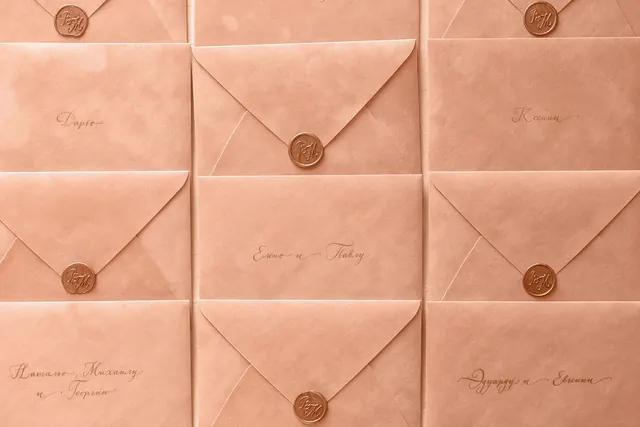 Wedding printPrinted wedding invitationsfrom £36.28Printed invitations and save the dates on quality card, with a QR code that opens your wedding website.Design it online →
Answers from couples and guests
No answers from readers yet. Been through this yourself? Share what worked for you.
Add your answer
Related questions
- Why do they throw rice at a wedding?
- What is the wedding ceremony order of people?
- What is the typical order of a wedding ceremony in the UK?
- Who walks down the aisle first?
- What is the correct order for a wedding reception?
- What is the structure of a wedding ceremony?
From other topics

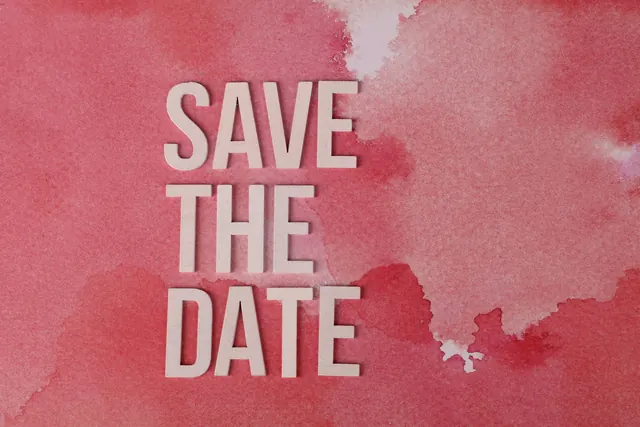 Save the date cards
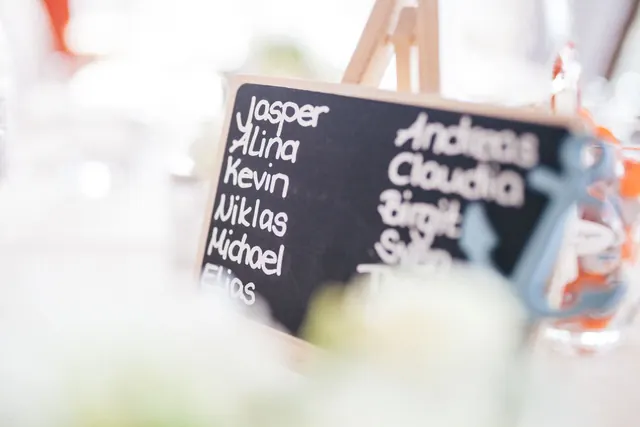 Table plan boards
 Welcome signs
 Thank-you cards