

Short answer
A wedding ceremony is structured around welcoming guests, exchanging vows and rings, making the legal declaration, and signing the marriage document, with optional readings, music and rituals added around these core parts.
Every ceremony has a core structure, even if the details differ. It starts with a welcome and opening words that set the tone. The couple then exchanges vows, which are the promises they make to each other. Rings are exchanged next, or placed nearby if they are not handed over during the vows. The officiant makes the legal declaration and pronounces the couple married. Two witnesses must be present and sign the marriage schedule or document on the day.
Around this core, couples add personal touches. Readings, poems, songs and musical performances can be included, though civil ceremonies cannot have religious content. Some couples include a unity ritual such as lighting a candle or planting a tree. Religious ceremonies may include prayers, hymns, a sermon or communion. Humanist ceremonies in England and Wales are not legally binding on their own, so couples usually add a civil ceremony at the register office. Religious ceremonies such as a nikah are only legally binding if held in a registered building with an authorised person present. Check with your register office or place of worship for the rules that apply to your ceremony.
From us
Website packages · Wedding print Wedding websiteWedding Website£499 one-offYour full wedding website with RSVP for every event, meal choices and a private link for each household.See Wedding Website →
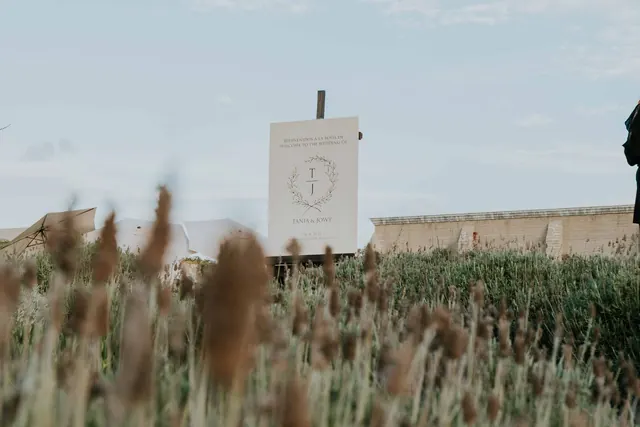 Wedding printA2 sign boardsfrom £37.18A2 boards for the order of the day, the bar menu, an unplugged ceremony sign or directions.Design it online →
 Wedding printOrder of service bookletsfrom £78.64Stapled booklets for the order of service, hymns, readings and the people in your wedding party.Design it online →
 Wedding printPrinted wedding invitationsfrom £36.28Printed invitations and save the dates on quality card, with a QR code that opens your wedding website.Design it online →
 Answers from couples and guests
No answers from readers yet. Been through this yourself? Share what worked for you.
Add your answer
Related questions
- What is the order of a wedding ceremony?
- What's after a wedding ceremony?
- How long does it take for a wedding ceremony?
- What happens during the wedding ceremony?
- What is the typical order of a wedding ceremony in the UK?
- Is a 10 minute wedding ceremony too short?
From other topics



 Save the date cards
 Table plan boards
 Welcome signs
 Thank-you cards