

Short answer
The typical order is: guests arrive, the couple and wedding party enter, readings or vows are exchanged, rings are given, the couple is pronounced married, and they sign the legal documents. Then they walk back up the aisle together.
In the UK, the ceremony usually begins with guests being seated and the wedding party arriving. The order often follows a familiar pattern, though it can vary by religion, venue, and personal choice. First, the entrance happens, often with the couple or their attendants walking in. Then come the legal parts: the registrar or officiant explains the marriage, the couple makes their declarations and vows, and they exchange rings. After that, the couple signs the marriage schedule or document, with witnesses present. Readings, poems, or music can be included at any point, but in a civil ceremony they must be non-religious and agreed with the registrar. Finally, the officiant pronounces the couple married, and they lead the way back up the aisle. Religious ceremonies may follow a different structure, especially if banns or a licence are needed. For exact legal requirements, check with your register office or place of worship, as rules can change.
People also search
- what is the usual order of a wedding ceremony
- what is the order of a wedding ceremony
- what is the typical wedding ceremony order
- wedding ceremony order of events
From us
Website packages · Wedding print Wedding websiteWedding Website£499 one-offYour full wedding website with RSVP for every event, meal choices and a private link for each household.See Wedding Website →
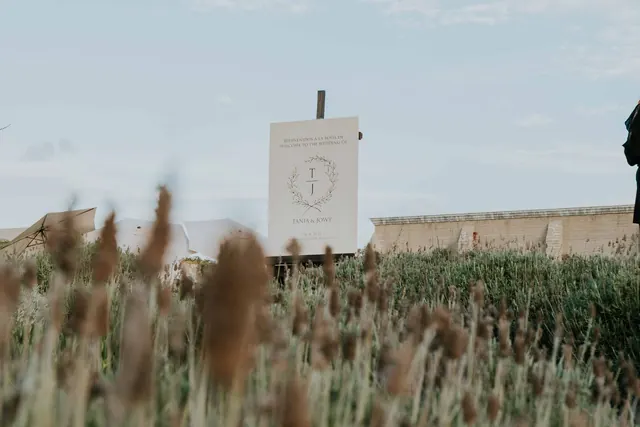 Wedding printA2 sign boardsfrom £37.18A2 boards for the order of the day, the bar menu, an unplugged ceremony sign or directions.Design it online →
 Wedding printOrder of service bookletsfrom £78.64Stapled booklets for the order of service, hymns, readings and the people in your wedding party.Design it online →
 Wedding printPrinted wedding invitationsfrom £36.28Printed invitations and save the dates on quality card, with a QR code that opens your wedding website.Design it online →
 Answers from couples and guests
No answers from readers yet. Been through this yourself? Share what worked for you.
Add your answer
Related questions
- What is the order of a wedding ceremony?
- What is the traditional order of a wedding ceremony in the UK?
- What is the typical order of the steps in a wedding reception program?
- Who walks in what order at a wedding?
- What is the structure of a wedding ceremony?
- What is the wedding processional order for a second wedding?
From other topics



 Save the date cards
 Table plan boards
 Welcome signs
 Thank-you cards