

Short answer
There is no official UK figure for how many couples use candles at weddings. Candles are a popular choice for table decorations, but usage varies by venue, season and personal taste. Check with your venue for any restrictions.
There is no official UK figure for how many couples use candles at weddings. Candles are a common and popular choice for table decorations because they add warmth and a soft glow, especially for evening receptions. However, usage varies widely depending on the venue, the season, and personal style. Some couples use many candles, while others prefer none, often for safety or aesthetic reasons.
If you are planning to use candles, check with your venue first. Many venues have rules about open flames, especially in marquees, hotels or historic buildings. You may need to use LED candles or candles in enclosed glass holders. Also consider the time of year: in summer, daylight may last longer, so candles may matter less, while in winter they can create a cosy atmosphere.
For a balanced look, mix candles of different heights with flowers or greenery. Always place them away from table edges and flammable items. If you have children or guests with mobility needs, keep candles out of reach. Your registrar or venue coordinator can advise on any legal or insurance requirements, but these are venue-specific, so ask directly.
People also search
- how many people use candles
From us
Website packages · Wedding print Wedding websiteWedding Website£499 one-offYour full wedding website with RSVP for every event, meal choices and a private link for each household.See Wedding Website →
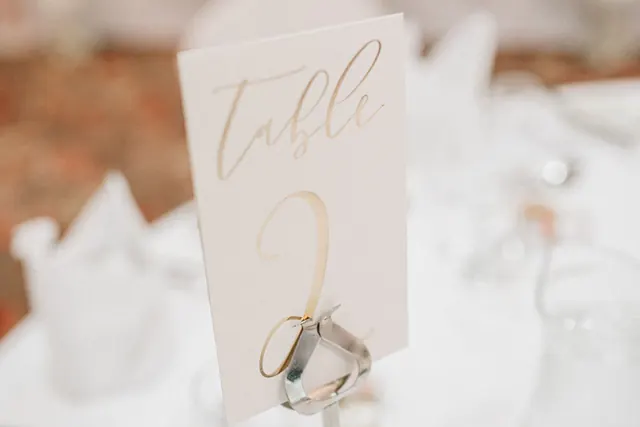 Wedding printTable numbers and place cardsfrom £14.52Folded tent cards for table numbers, table names, place cards and drink menus.Design it online →
 Wedding printPrinted wedding invitationsfrom £36.28Printed invitations and save the dates on quality card, with a QR code that opens your wedding website.Design it online →
 Wedding printThank-you cardsfrom £42.34Folded thank-you cards with your favourite photo from the day on the front.Design it online →
 Answers from couples and guests
No answers from readers yet. Been through this yourself? Share what worked for you.
Add your answer
Related questions
- Can I use candles for cooking at a wedding?
- Can I use candles as wedding favours for guests?
- Can I use candles as the main decoration on wedding tables?
- How many advent candles are there and how are they used at a wedding?
- Can I use candles as centrepiece holders?
- How many people should sit at each wedding table?
From other topics



 Save the date cards
 Order of service booklets
 Table plan boards
 Welcome signs