

Short answer
A wax seal usually makes your invitation heavier and bulkier, so it may need one or two stamps depending on the weight and size. You cannot know without weighing the complete envelope, so check at a post office or use an online postage calculator.
There is no fixed number of stamps for a wax-sealed invitation because the cost depends on the total weight and size of the envelope. A single standard stamp may cover a light, small card, but a wax seal adds noticeable weight and thickness. Many sealed invitations end up in a higher weight band, which means extra postage.
To get it right, assemble the invitation exactly as you will send it, including the inner envelope if you use one, the outer envelope, all inserts and the wax seal. Take that finished envelope to a post office and ask them to weigh it. They will tell you the exact postage needed. You can also use an online postage calculator at home.
Be aware that wax seals can crack or stick to other envelopes in the post. To protect them, place the sealed envelope inside a slightly larger protective envelope, or wrap each one in a sheet of tissue paper. That extra layer also adds weight, so weigh the whole thing together.
If you want to avoid extra postage, consider using a self-adhesive wax seal sticker instead of a traditional melted wax seal. It looks similar but is much lighter and flatter.
People also search
- how many stamps for wedding invite with wax seal
From us
Website packages · Wedding print Wedding websiteE-Invite£149 one-offOne beautiful page with the details, a map and a family RSVP, sent by link, QR code or WhatsApp.See E-Invite →
 Wedding printPrinted wedding invitationsfrom £36.28Printed invitations and save the dates on quality card, with a QR code that opens your wedding website.Design it online →
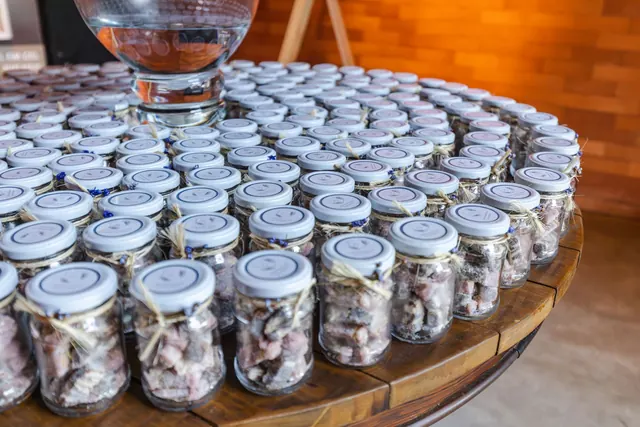 Wedding printFavour and envelope stickersfrom £25.62Sheets of printed stickers for favour boxes, jars and envelope seals.Design it online →
 Wedding printThank-you cardsfrom £42.34Folded thank-you cards with your favourite photo from the day on the front.Design it online →
 Answers from couples and guests
No answers from readers yet. Been through this yourself? Share what worked for you.
Add your answer
Related questions
- What stamps should you use for wedding invitations in the UK?
- Do wedding invitations need extra postage in the UK?
- What postage is needed for wedding invitations in the UK?
- How much does it cost to mail wedding invitations in the UK?
- What size stamp do you need for wedding invitations?
- How do you buy stamps for wedding invitations in the UK?
From other topics



 Save the date cards
 Order of service booklets
 Table plan boards
 Welcome signs